-
Australia
-
Azerbaijan
-
Ecuador
-
Germany
-
India
-
Japan
-
Namibia
-
Norway
-
Singapore
-
USA
-
Discover more
Accelerating global efforts
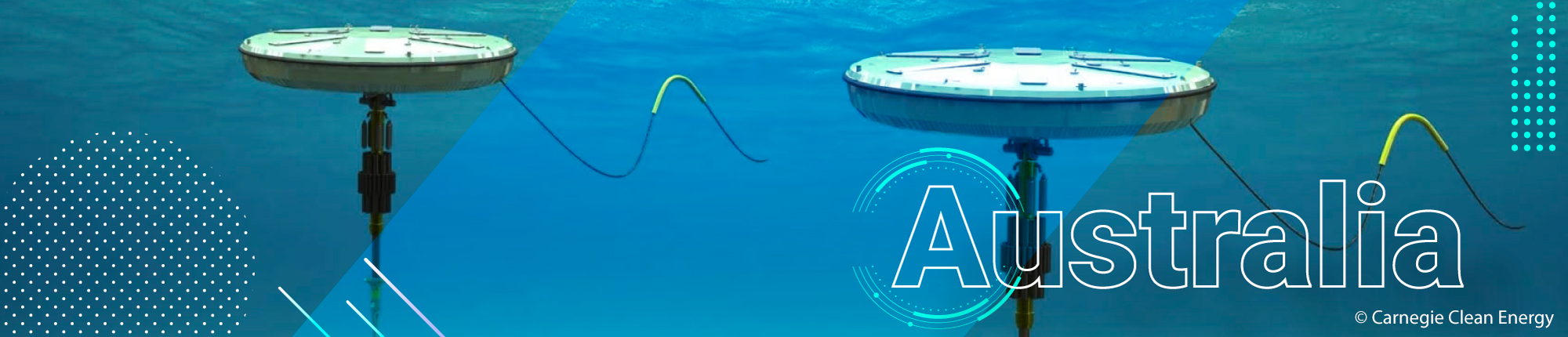
The potential of oceans to provide clean energy is largely untapped. Australia is a member of the IEC committee for marine energy (IEC TC 114). With the third largest marine jurisdiction in the world, covering more than 8 million km/2, Australia is well placed in driving the evolution of technology to convert ocean energy into electricity.
Participating in global standardization to boost its marine energy ambitions
International standards are vital for marine energy technology to grow, by enabling energy devices on ocean floors, or in varying levels of shallow and deep waters to integrate with electricity systems efficiently and provide consistency in how electricity is delivered to the end user on shore.
This also applies to environmental protection factors and instilling confidence in users, regulators and communities that installations meet agreed quality and safety requirements.
In addition to its work in TC 114, Australia is also a member of the Ocean Energy Systems Technology Collaboration Programme (OES) established by the International Energy Agency (IEA) for the development of ocean wave and tidal current energy. Participation in TC 114 not only enables Australia to share its expertise, but it also allows the country to strengthen its role in OES to advance research, development and conversion of this valuable energy source.
Embracing climate action opportunities
Azerbaijan has committed to reduce greenhouse gas emissions by 40% by 2050, increase renewable power capacity to 30% by 2030 and diversify its existing energy system to become a leader in green energy. To do this, they have undertaken a number of green energy transition initiatives, which they are realizing with the help of international standards.
Standards to power renewables
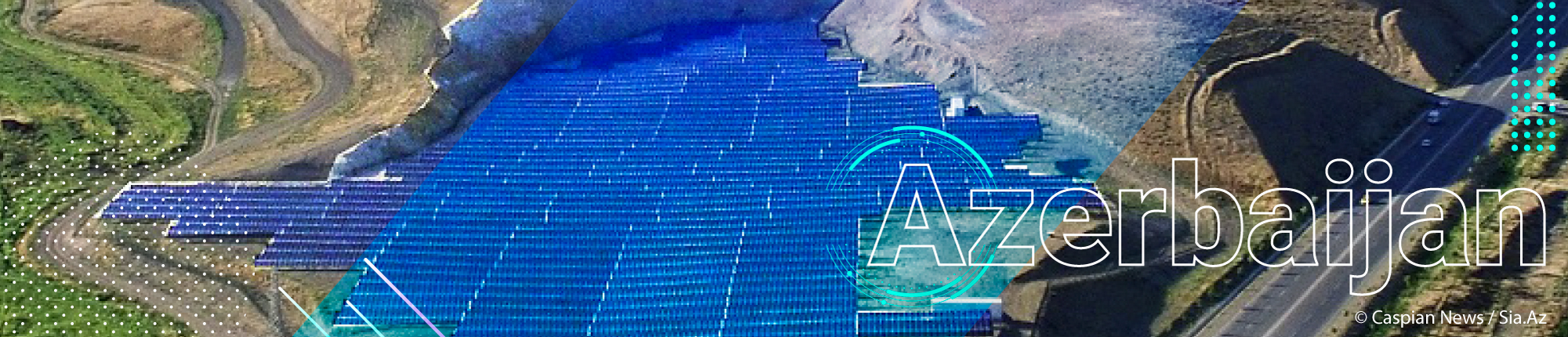
Azerbaijan's wind and solar resources hold immense promise for sustainable power generation: with 3 GW of economic potential of onshore wind, an impressive 157 GW of technical capacity of offshore wind and a potential 23 GW stemming from solar energy.
To help leverage this potential, Azerbaijan Standardization Institute has established a national technical committee related to electric power and renewable energy. A number of ISO/IEC Standards have been adopted as national standards to contribute to global climate change efforts, particularly in areas like renewable energy, energy efficiency and sustainable infrastructure.
Improving the energy efficiency of household appliances
Recognizing the value of energy efficiency as a resource for energy savings, Azerbaijan is in the process of developing the national technical regulations that cover ecodesign and energy labelling requirements for household apppliances, as well as the harmonized standards referenced in them.
They have also adopted a number of IEC standards that contribute to ensure safety and sustainablity of household products along the life cycle by integrating sustainability principles such as durability, reusability, energy and resource efficiency, recycled content and environmental footprints. These include the IEC 60704 series for household and similar electrical appliances, IEC 60350 for household electric cooking appliances and the IEC 62552 series for household refrigerating appliances.
Driving change with electric vehicles
Azerbaijan is also planning to adopt the IEC 61851 and the IEC 62196 series of standards for electric vehicles as national standards to support its strategic roadmap on promoting environmentally friendly and safe vehicles.
Driving energy efficiency to new levels
Energy efficiency instilled in policies is instrumental to mitigating the effects of climate change and achieving climate goals.
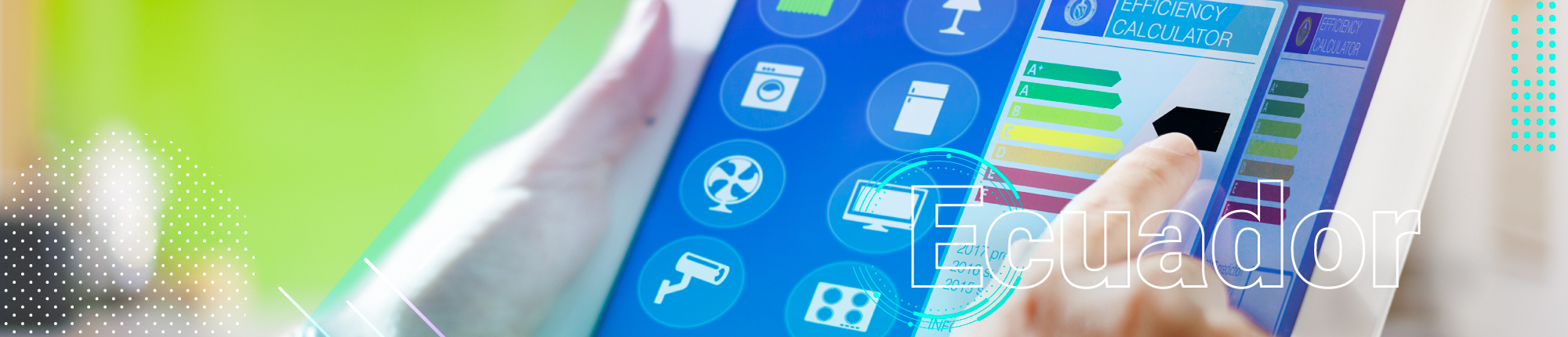
IEC International Standards and Conformity Assessment Systems contribute greatly to Ecuador’s energy efficiency programmes and policies by establishing the minimum levels of energy performance and instilling confidence in consumers that they are using quality, safe and efficient products.
IEC Standards as enablers for government programmes
The Ecuadorian Government is promoting energy efficiency through the Organic Law on Energy Efficiency (LOEE), which provides for the articulation of initiatives for all sectors of energy supply and demand. Currently, strategic planning defined in the National Development Plan, is based on several programmes to boost energy efficiency such as the National Energy Efficiency Plan (PLANEE) being implemented between 2016-2035.
The 2016-2035 PLANEE has incorporated actions and measures to help the market in Ecuador transform by using energy efficient, safe, quality and environmentally friendly equipment. It also concentrates on initiatives like equipment replacement programmes and the development of a market for energy service companies.
IEC Standards have contributed considerably to the technical regulations on energy efficiency in the 2016-2035 PLANEE. Examples of key standards for the PLANEE include the IEC 60335 series of safety standards for household appliances, the IEC 60034 series of energy efficiency standards for motors, IEC 60901 and IEC 60968 standards for lamps, and many more.
In addition, IEC Conformity Assessment Systems enable consumers to feel confident they have acquired and are using quality, safe and efficient products.
Enabling efficient electric transportation
Transportation is another axis of the 2016-2035 PLANEE and IEC Standards for electric vehicles, specifically for charging services, such as charging stations (IEC 61851 series), charging connectors (IEC 62196), charging cables (IEC 62893), are included in the national regulation.
Calculating the carbon footprint of industry
Industry and manufacturing are one of the largest emitters of carbon worldwide. As regulators continue looking for ways to enforce cleaner manufacturing processes, revolutionizing technologies such as digital twins could help predict environmental impact of processes and quantify the amount of CO2 generated.
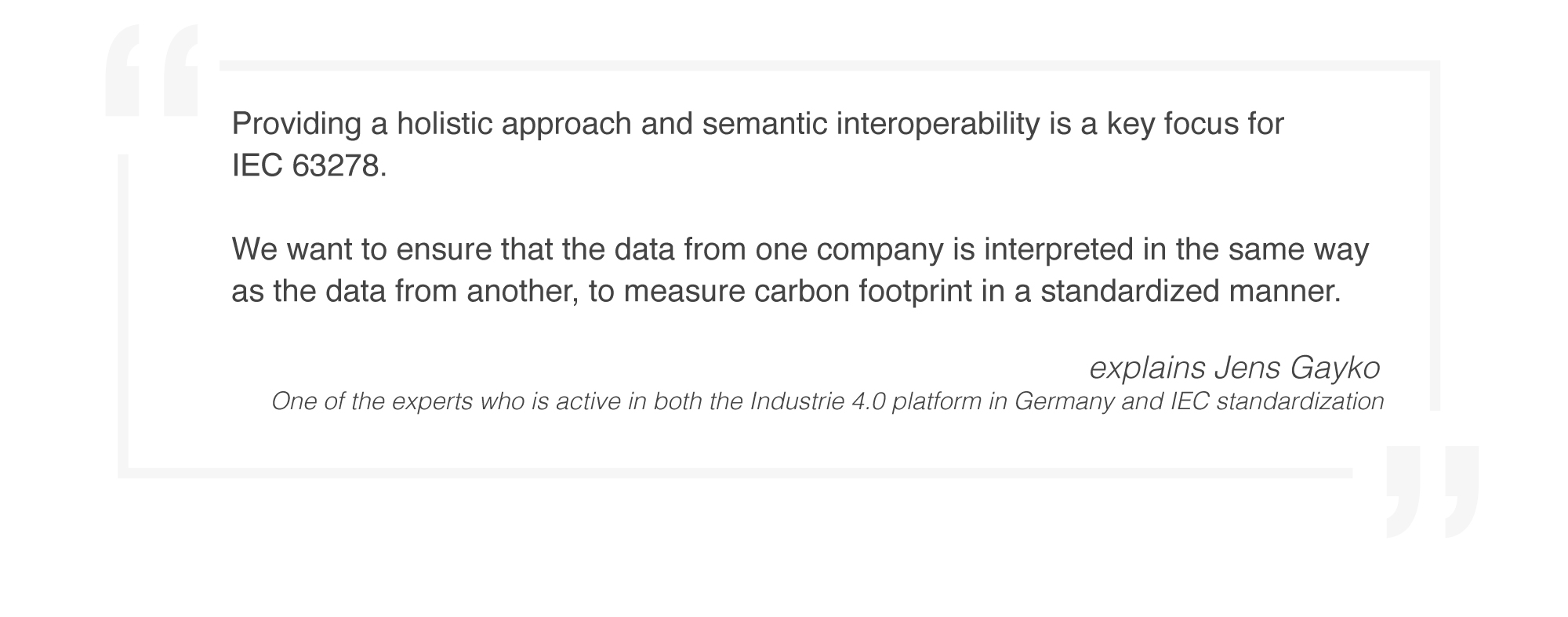
However, to be able to make the appropriate comparisons and legislate accordingly, an internationally standardized approach is required, so IEC is responding with an international standard to help.
Regulators rely on a standard way of measurement
In a bid to drive digitalization of the whole industrial value chain and ultimately bring carbon emissions down, the Ministry of Education and Research (BMBF) and the Federal Ministry for Economic Affairs and Climate Action (BMWK) in Germany, launched the Industrie 4.0 initiative.
Work within Industrie 4.0 eventually led to the idea of a standard for digital twins used in industry known as an Asset Administration Shell (AAS). The result was IEC 63278-1, published in 2023, which defines the AAS concept, with further parts in development that will look at the information meta data model, cyber security provisions, use cases and interfaces and interoperability.
Feedback from industry and the results from research based on prototypes from different countries around the world were also key in making the document as pragmatic as possible.
Enabling a standardized way of measuring carbon footprint, further allows regulators and policymakers to implement effective measures to reduce emissions.
According to Gayko, AAS is now strongly supported by industry to be used as a basis for the European Commission’s digital product passport, which is a tool to support the circular economy by providing product information across the entire value chain, including that related to raw material extraction, production and recycling.
Powering lives with energy access
Electricity is the golden thread that impacts most of the world’s sustainable developmental goals. India too has prioritized ensuring reliable, and consistent energy access to every household in the country.
Standardization work by IEC on technologies like Low Voltage Direct Current (LVDC), can be key to facilitating energy access in hard-to-reach areas, and promote integration of more renewables for clean energy supply.
Innovative technologies for developmental goals
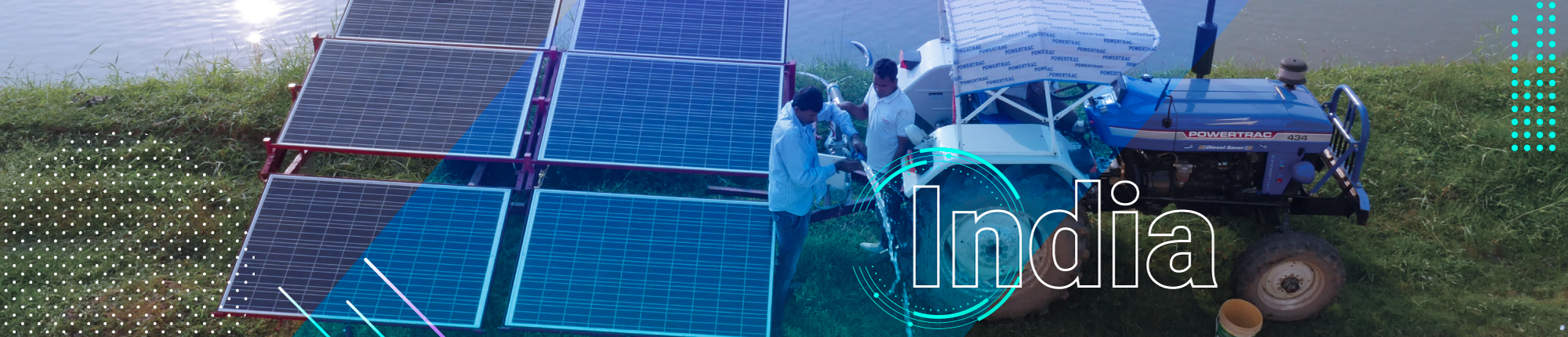
Government schemes in India such as “Power to All” are helping increase reliable electricity access to millions of citizens, through promoting the use of solar panels, switching to micro-grid and off-grid solutions and looking for innovative approaches.
The Bureau of Indian Standards (BIS), whose work is advancing the government goals, sees the LVDC technology as being crucial. LVDC is becoming one of the most useful technologies for rural electrification because it is low cost and provides a relatively simple way to integrate renewable energy. Using LVDC can help improve energy efficiency thereby also reducing global carbon footprint. It can power data centres, office buildings or hospitals. In low- and middle-income economies, LVDC provides affordable and sustainable electricity access to people who would otherwise have to wait many years for a connection to the main electricity grid.
IEC’s work in LVDC is helping accelerate India’s energy access objectives.
Standards to expedite adoption of new technologies
BIS, which hosts the IEC National Committee in India, had been in talks with the IEC since 2013 around initiating standards related to DC technologies for electricity access. In 2014, this led to the inception of an evaluation group at the IEC to start contemplating LVDC technologies at an international level. India leads this initiative and is also a participating member of the IEC LVDC Systems committee, which allows the country to bring its experience and learnings to the international community and collaborate with worldwide experts to produce meaningful standards for the global community.
This work has resulted in the IEC publishing a new standard, IEC 63318 for LVDC electricity access, in 2022. This standard, based on the World Bank ESMAP Multi-Tier Framework, is a big step in the scaling of electricity access technologies.
Adopting this standard allows regulators and administrators to benchmark DC microgrid solutions from different vendors of LVDC related technology. It also provides assurance to funding bodies, investors and insurers, enabling new players to enter the market, and expediting energy access in rural areas.
Quantifying emissions in household appliances
Greenhouse gas (GHG) emissions are a known contributor to climate change and thus reducing them is a key element of many countries’ commitments to the Paris Agreement.
Japan has pledged to decrease its own emissions by 46% by 2030.
The vast portfolio of IEC Standards and conformity assessment services to aid the quantification or verification of greenhouse gases are helping governments across the world to meet their climate action objectives.
Standards helping companies and market regulators build trust
Reducing the emissions of electric and electronic (EE) products such as home appliances contributes significantly to reducing emissions, and many actions are already being taken such as the improvement of raw materials and extending product lifetimes.
As part of this effort, IEC is working on a new standard IEC 63372, that will provide the principles, methodologies and guidance for the quantification and communication of GHG emissions, emission reductions and avoided emissions from EE products and services.
Avoided emissions refer to the reduction of emissions made through improvements to a product and can be a valuable metric for companies and market regulators to build trust in the sustainable practices of products.
This standard is being developed by IEC Technical Committee 111 (IEC TC 111), and Japan is championing this work as convenor of the Working Group 17 on greenhouse gas. The future IEC 63372 will enable organizations to declare information about carbon emissions, emission reductions and avoided emissions for any electric or electronic product in a consistent and reliable way, therefore protecting the value of their efforts and avoiding greenwashing.
What’s more, it allows consumers to make informed purchasing decisions by understanding the carbon footprint of products.
Shining a light on renewables
Renewable energy and energy efficiency are important tools to achieve climate targets and contribute to a more sustainable world.
Namibia is using IEC Standards to help support their efforts in these areas and ensure clean and safe energy for its citizens.
Accelerating solar energy production
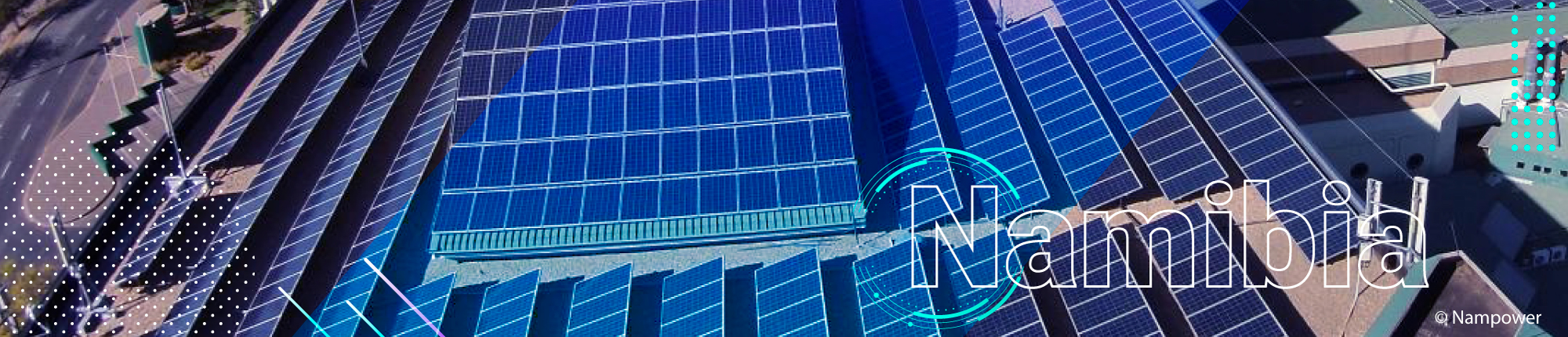
Namibia uses IEC Standards when specifying equipment used in the construction of renewable energy plants, including on-grid and off-grid technologies. This applies to commissioning these plants as well as operating and maintaining them. The reporting methodologies for renewable energy is with reference to IEC Standards and Guides.
And this is having a huge impact! To date, 15 projects under the Namibia Renewable Energy Feed-In Tariff (REFIT) programme are operational and five big independent power producer solar plants as well as many business and residential solar systems are operational and compliant.
NamPower, the national electric power utility company of Namibia, has a technical team responsible for compliance and perform these tests, investigations and assessments using IEC Standards.
Participating in standardization to enable energy access
Participation in the IEC Affiliate Country Programme (ACP) has enabled Namibia to adopt IEC Standards and their participation is helping them build their influence in the standardization process.
By being an Affiliate, Namibia has a certain degree of involvement with several IEC technical committees like IEC TC 82, which deals with solar photovoltaic energy systems.
Supporting the electrification of the shipping industry
According to estimates published by the International Maritime Organization (IMO), greenhouse gases (GHG) emitted by international shipping have accounted for 2,2% of carbon dioxide emissions in recent years.
IEC Standards such as the IEC 60092 series are helping ensure safe, and efficient installations in the growing number of electric ships in Norway.
Standards for ships
Norway is leading the way with the electrification of ships and the development of the necessary standards to support it. They are home to the world’s largest electric car ferry with a battery capacity of 4 300 kWh and an automatic charging connection system with a capacity of 9 000 kW. This ferry alone saves approximately six million litres of diesel fuel per year.
Recognizing the potential of standards to enable the electrification of the shipping sector to evolve, the Norwegian Electrotechnical Committee (NEK) have developed several standards and specifications to meet specific needs of the maritime industry. This includes NSPEK 411 which gives additional requirements to IEC 62619 on safety requirements for secondary lithium cells and batteries, for use in industrial applications.
The specification is now also being developed by IEC as an international standard, IEC 63642-1, which is due to be published in 2025.
International collaboration for effective innovation
Being a relatively new sector for growth, there is still a great deal of ongoing development. Even at an early stage, the standardization work by bodies like NEK and IEC can help accumulate experience, accelerate innovation and harmonize solutions as the shipping industry evolves.
Standards are designed to meet market needs. As such NEK created the industry forum Landstroemsforum, which enables stakeholders in the maritime business for electrification of the Norwegian shipping fleet to collaborate more closely. Through the forum, they discuss common technical challenges, and their findings then contribute to identifying areas of need for standardization.
Powering solar energy ambitions
With a tropical climate, beaming out an average irradiance of nearly 1 600 kWh/m2 per year, solar energy provides a huge opportunity for Singapore to generate large amounts of clean electricity. Many IEC international standards for solar photovoltaic (PV), published by the IEC Technical Committee for solar photovoltaic (PV) systems (IEC TC 82) are widely used in Singapore, helping to expand the deployment of solar energy.
Participating in IEC to facilitate change
Singapore has been a full member of IEC TC 82 since 2013, directly contributing to the development of international standards, especially in the area of reliability and safety tests for tropical climate use of PV modules. The standards used help to promote the use of PV worldwide.
Singapore uses several IEC standards to expedite its solar energy ambitions. These include the IEC 61215 series on terrestrial PV modules and the IEC 61730 series on PV module safety qualification. These standards help to improve the performance, reliability, safety and competitiveness of PV products and ensure they meet international requirements.
What’s more, IEC 62446-1 has been adopted as a Singapore national standard and is widely used for quality assurance during the testing and commissioning of PV installations.
Adoption of IEC Standards for floating solar installations
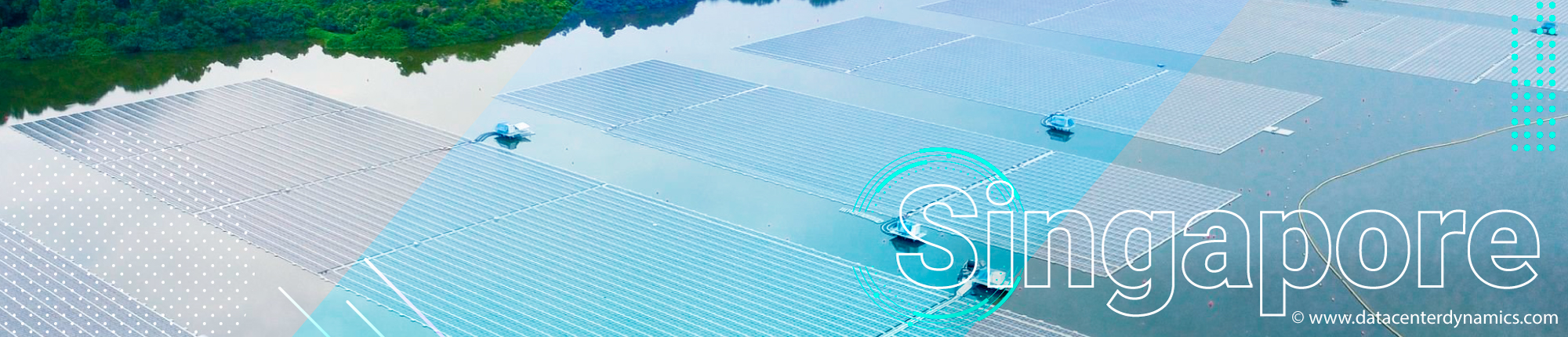
Being a country that is limited for space, Singapore has embraced the deployment of floating solar PV power plants, both on inland reservoirs and in near-shore and off-shore spaces.
In 2016 the country inaugurated one of the world’s largest testbeds for floating solar PV to better understand the technology. This laid the foundation for a greater rollout of floating solar in Singapore, including one of the largest installations in the world that spans an area equivalent to 45 football fields and produces 60 megawatts of peak capacity.
Using the findings from the testbed, Singapore developed and published a Technical Reference (TR 100:2022) titled Floating photovoltaic power plants – Design guidelines and recommendations, which is a modified adoption of IEC TS 62738:2018 supporting the safety and performance of utility-scale floating PV power plants. The TR will also be used as the basis for an international TR under IEC TC 82.
Driving the winds of change
The growing wind energy industry in the US is being driven by lower prices for turbines, making energy generated from wind very competitive with other energy sources, particularly fossil fuels. This is especially true for offshore wind energy and bodes well for the development of floating offshore wind energy systems that enable the deployment of much deeper water installations. By adopting IEC International Standards for wind energy systems as national documents, the US is contributing to produce quality infrastructure in the area.
National bodies using standards as a catalyst for growth
To further support the growth of this industry and ensure installations are safe, reliable and efficient, the US national committee adopted two IEC standards,
IEC 61400-3-1 and IEC TS 61400-3-2 for wind energy generation systems developed by IEC Technical Committee 88 (IEC TC 88) which are expected to be incorporated into national legislation.
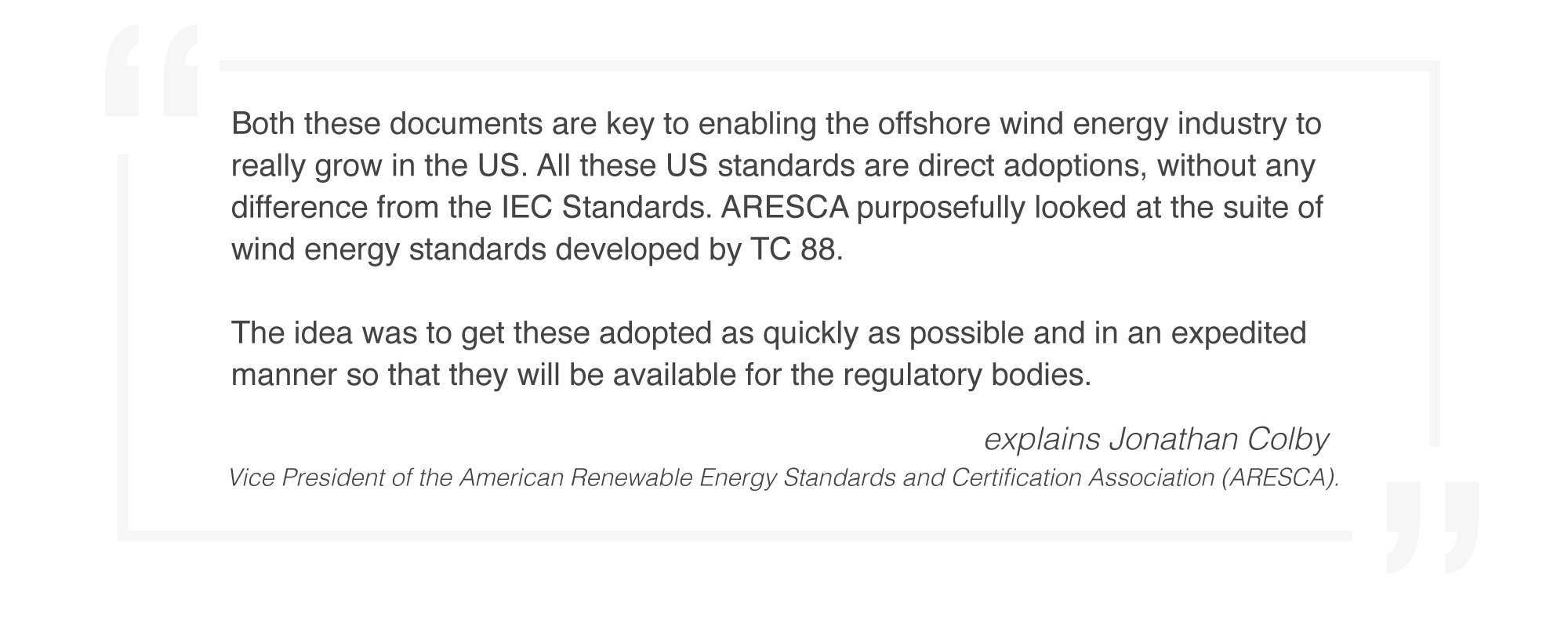
It is also expected that, as a result of these actions, many more IEC TC 88 standards will be adopted.
How can standards help climate decision makers implement change?
Take inspiration from real-life case studies of how countries have used IEC Standards and conformity assessment to turn their climate policy objectives into real actions on the ground.
Countries around the world are using standards to scale their renewable energy projects, reduce industry carbon emissions, make their energy systems more efficient and support climate change initiatives.